Home Energy Audits: Slash Your Utility Bills Today
Do you want to save money on your energy bills? A home energy audit can help you. It identifies where your home loses energy and suggests improvements.
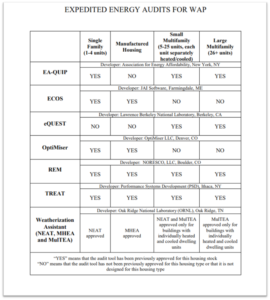
Credit: nascsp.org
What is a Home Energy Audit?
A home energy audit is a thorough examination of your home's energy use. It checks for leaks, insulation, and energy efficiency. The goal is to find ways to save energy and reduce costs.
Why Should You Get a Home Energy Audit?
There are many benefits of getting a home energy audit:
- Save Money: Find ways to reduce your energy bills.
- Improve Comfort: Fixing leaks and insulation makes your home more comfortable.
- Protect the Environment: Using less energy helps reduce pollution.
- Increase Home Value: Energy-efficient homes are more attractive to buyers.
Steps Involved in a Home Energy Audit
An energy audit involves several steps. Here's what you can expect:
1. Initial Consultation
The auditor will ask about your energy use. They will look at your energy bills and discuss any concerns you have.
2. Exterior Inspection
The auditor will inspect the outside of your home. They will check for cracks, gaps, and insulation.
3. Interior Inspection
Inside, the auditor will check your heating and cooling systems. They will look at your appliances and lighting.
4. Blower Door Test
This test measures how much air leaks out of your home. The auditor will use a special fan to lower the air pressure inside. Then, they will see where air enters your home.
5. Thermographic Inspection
Using an infrared camera, the auditor will find areas where heat escapes. This helps identify insulation problems.
6. Report And Recommendations
The auditor will provide a report. It will include findings and suggestions for improvements.
Common Problems Found During a Home Energy Audit
Here are some common issues an audit might reveal:
- Air Leaks: These are gaps and cracks around doors and windows.
- Poor Insulation: Inadequate insulation lets heat escape.
- Outdated Appliances: Old appliances use more energy.
- Inefficient Lighting: Traditional bulbs waste energy.
- Heating and Cooling Issues: Old systems are less efficient.

Credit: ecoelementspro.com
How to Prepare for a Home Energy Audit
Here are some tips to prepare for your audit:
- Gather Energy Bills: Collect your energy bills from the past year.
- Make a List of Issues: Note any drafts or cold spots in your home.
- Clear Access: Ensure the auditor can access your attic and basement.
- Be Present: Plan to be home during the audit to answer questions.
DIY Home Energy Audit Tips
If you want to do a basic audit yourself, follow these tips:
1. Check For Air Leaks
Walk around your home and feel for drafts. Use caulk or weatherstripping to seal gaps.
2. Inspect Insulation
Check your attic and walls for adequate insulation. Add more if needed.
3. Upgrade Lighting
Replace old bulbs with energy-efficient LED bulbs.
4. Assess Appliances
Look at the age and efficiency of your appliances. Consider replacing old ones with Energy Star models.
Making Your Home More Energy-Efficient
After your audit, take action to improve energy efficiency:
- Seal Air Leaks: Use caulk and weatherstripping.
- Improve Insulation: Add insulation to your attic and walls.
- Upgrade Windows: Install energy-efficient windows.
- Maintain HVAC Systems: Regularly service your heating and cooling systems.
- Use Smart Thermostats: These adjust your home's temperature automatically.
Frequently Asked Questions
What Is A Home Energy Audit?
A home energy audit assesses your home's energy use, identifying areas for efficiency improvements.
Why Do I Need A Home Energy Audit?
It helps reduce energy bills and enhances home comfort by pinpointing energy waste areas.
How Often Should I Get An Energy Audit?
Conduct an energy audit every few years or when making major home improvements.
How Long Does An Energy Audit Take?
Typically, a comprehensive home energy audit takes 2-4 hours to complete.
Conclusion
A home energy audit can save you money and make your home more comfortable. It helps identify areas where your home loses energy. By following the recommendations, you can reduce your energy bills and protect the environment.
For more information, you can contact us at yourhomeyourdream316@gmail.com.


